Is the Yellowstone Boom Here to Stay?
The data suggests the Western consumer is larger, more durable, and more economically significant than a television-driven trend.
The Question
The question everyone keeps asking
Few cultural moments have reshaped a category’s visibility as quickly as Yellowstone. The question many brands continue to ask is whether the show created a temporary Western trend, or revealed a lasting shift in consumer behavior.
The distinction matters. A trend invites short-term, opportunistic participation. A structural shift rewards long-term investment. Brands allocating capital on the assumption that Western is a passing aesthetic will make very different decisions than those treating it as a durable consumer identity.
While Yellowstone undoubtedly increased visibility, the more important question is whether the underlying consumer demand existed before the show, and whether it continues to exist independently of it. The available data points consistently in one direction.
Retail Signals
Retail growth suggests long-term demand
The clearest evidence comes from operators most exposed to the Western consumer. Boot Barn has continued expanding nationally, with consistent revenue growth and rising store-count projections. Most notably, management expanded its estimated total addressable market from approximately $40 billion to $58 billion.
Retail Expansion Signals
Beyond the Retailer
Brand growth extends beyond retail
The pattern is not confined to a single retailer. At the brand level, Wrangler has shown revenue growth alongside continued investment in its Western categories, including notable growth among female consumers and expanded distribution. When both the retail channel and the brands within it grow simultaneously, the signal is harder to dismiss as a single company’s momentum.
Migration Patterns
Migration trends support Western values
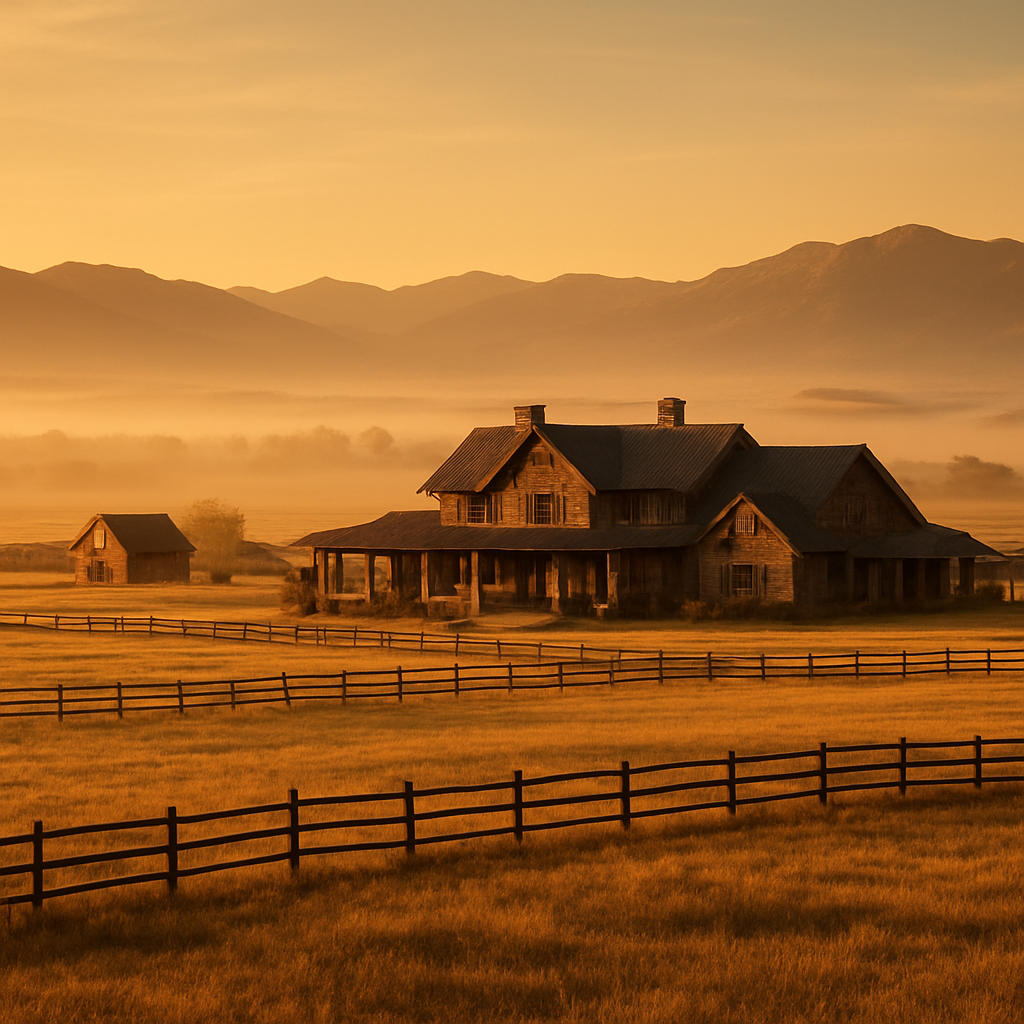
Population growth in states such as Texas, Tennessee, Idaho, Utah, and Montana has outpaced much of the country. The relevant detail is not only where people are moving, but what they appear to be moving toward: land ownership, entrepreneurship, outdoor recreation, family-centered communities, and self-reliance.
These are not merely geographic preferences. They are value systems, and they tend to shape long-term purchasing behavior far more durably than any single cultural moment.
The Equine Economy
The horse economy is larger than many realize
Perhaps the most overlooked evidence sits in the equine economy, a category that predates Yellowstone by generations. Industry estimates place its total economic impact at approximately $177 billion, supporting millions of jobs and encompassing millions of horses nationwide.
$177B
Estimated U.S. Equine Economic Impact
Spanning breeding, boarding, training, competition, recreation, and the industries that support them, a foundation established long before any television series.
Source: American Horse Council
Experience Spending
Western experiences continue growing
Spending is also rising across experience-based categories: rodeo attendance, ranch tourism, agritourism, equestrian participation, and destination travel built around Western settings. These are discretionary investments, the kind consumers make when an activity is tied to identity rather than novelty.
Yellowstone didn’t create the Western consumer.
Yellowstone may have accelerated awareness of the Western lifestyle, but the data suggests it did not create the consumer. Retail growth, brand expansion, migration trends, equine participation, tourism, and experience-based spending all point toward a market that was already established, and that continues to evolve.
Conclusion
A question worth reframing
The real question may no longer be whether the Yellowstone boom will last. The better question is whether the size and durability of the Western consumer have been underestimated all along.
The evidence increasingly suggests this is not a trend-driven audience, but a long-standing, identity-based market that is simply becoming more visible to the rest of the country. Visibility changed. The consumer was already here.
Executive Takeaway
The Western consumer is not a moment created by television. It is an established, identity-driven market that existed before the boom, and the data suggests it will outlast it.
About the Author

Lauren Oakes
Development Strategist
Lauren Oakes is the Founder & Principal Advisor of Lauren Oakes Creative, a consumer and cultural intelligence practice for companies competing in identity-driven markets, with deep, proven specialization in the Western economy, and work spanning luxury, hospitality, spirits, and heritage brands.
Sources & Research
This article incorporates publicly available research, investor reports, industry studies, and market data. Sources include:
- Boot Barn Investor Relations
- Kontoor Brands (Wrangler) Investor Relations
- U.S. Census Bureau
- American Horse Council
- Houston Livestock Show & Rodeo
- USDA
- U-Haul Growth Index
Additional public company filings and industry reports where applicable.