Brand Strategy & Enterprise Value • 5–6 min read • July 2026
Why Taylor Sheridan's Next Move Should Be Hospitality
This was never really about Taylor Sheridan.
The world's most valuable brands don't simply sell products, they create places people want to return to.
The Observation
The audience is no longer the question. The experience is.
Consumers increasingly spend money to experience the worlds they emotionally connect with, not simply to purchase products that reference them.
Taylor Sheridan has built one of the strongest cultural ecosystems in modern entertainment. The stories have created demand; the demand has created a recognizable world. For most brands, that is where the strategic work begins, not where it ends.
The interesting question is no longer whether the audience exists. It plainly does. The question is whether the experience exists, a place where that audience can do more than watch. That gap, between a world people believe in and a world they can enter, is where enterprise value tends to accumulate.
Stepping Inside the Story
People don’t just consume stories. They want to step inside them.
The clearest evidence is in how audiences travel. Film- and television-induced tourism has become a measurable driver of destination demand, with a majority of travelers reporting they have researched or booked a trip to a place after seeing it on screen.1 The screen no longer ends the experience. It begins it.
The same instinct shows up in the broader shift toward experiential and land-based travel, and in the sustained growth of Western lifestyle categories, apparel, hospitality, events, and tourism, that let people live inside a set of values rather than simply admire them from a distance.2
Where Demand Is Moving
Set-Jetting
Travel inspired by screen content
a majority of travelers, per recent surveys
Source: Expedia, Set-Jetting research
Experiences
Experiential luxury outpacing goods
faster growth than personal luxury goods
Source: Bain & Company, Luxury Study
Western
Sustained lifestyle-category growth
apparel, hospitality, events, tourism
Source: Industry & retail research
Belonging
Identity-driven spending
buying into a world, not a product
Source: McKinsey, State of Luxury
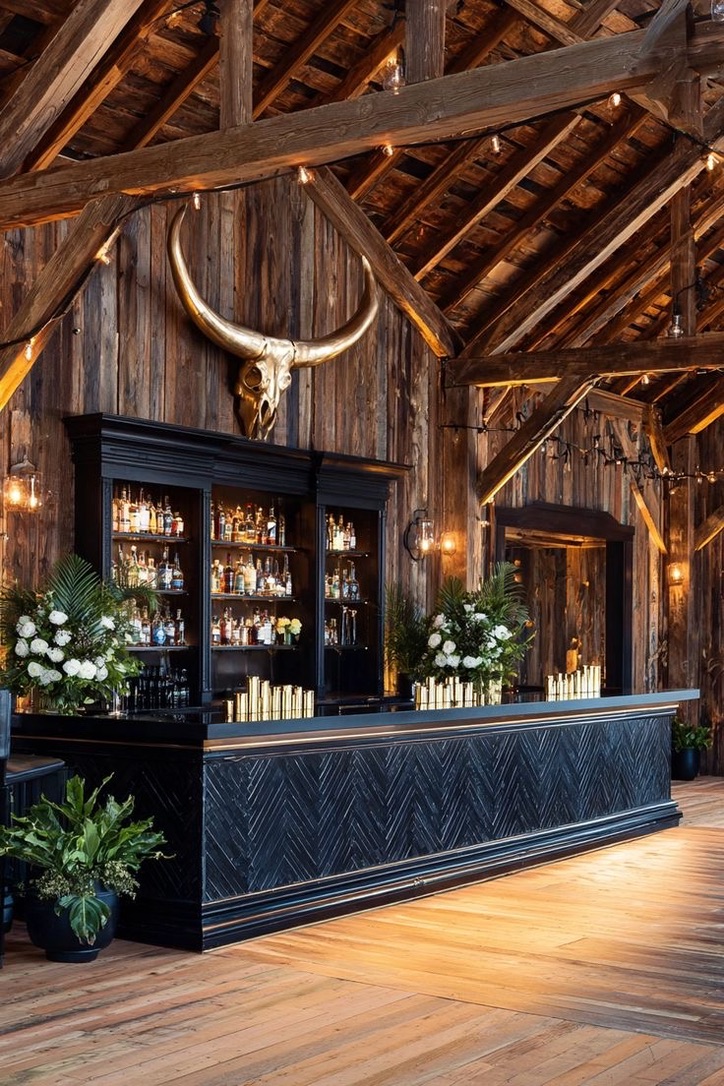
The audience already exists. The open question is whether there is anywhere for them to go.
The starting point
The Ecosystem Already Built
This looks like vertical integration, not diversification.
Viewed as separate ventures, the pieces can read as sprawl. Viewed together, they read as a system. Across television, working ranches, restaurants, food and beverage, licensing, consumer products, events, and tourism, the same audience and the same values move from one holding to the next.
That is the distinction that matters strategically. Random diversification spreads a brand thinner with each new category. Vertical integration does the opposite: each business deepens the credibility of the others, because they all draw on, and reinforce, a single, coherent world. The stories create the audience; the ranches and products give that audience somewhere to spend; the spending, in turn, makes the world feel more real.
Diversification
- Unrelated categories
- Audience starts over each time
- Brand equity thins with each move
- Value sits in separate silos
Vertical Integration
- One connected world
- Same audience carried across
- Each business reinforces the others
- Value compounds across the system
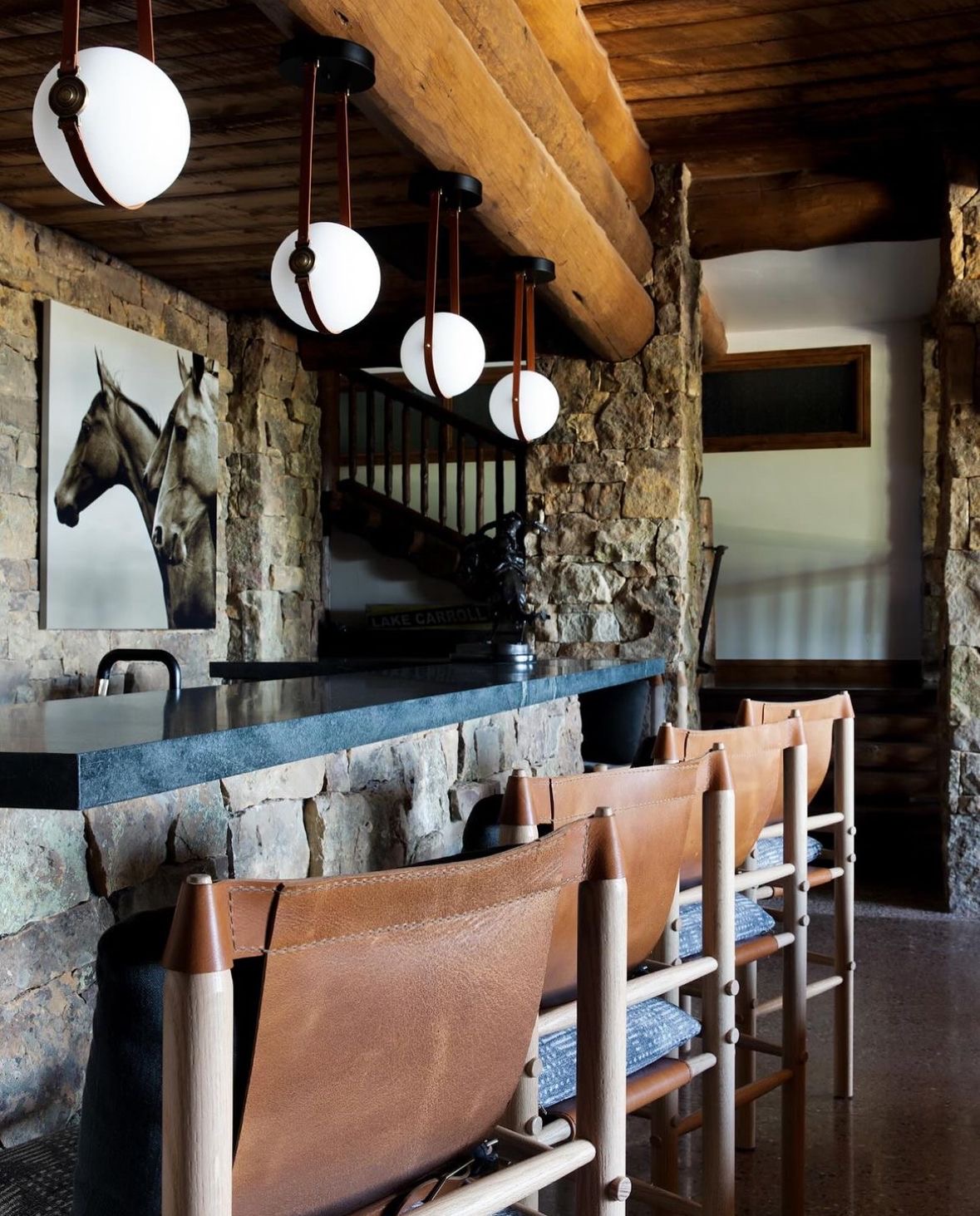
Luxury Moves to Experience
The premium is shifting from what you own to where you have been.
The broader luxury market has been moving in this direction for years. Experiential spending, travel, hospitality, dining, and membership, has been growing faster than the personal luxury-goods categories that once defined the sector.3 The most valuable thing a brand can sell is increasingly a place to be, not an object to hold.
For a brand that already owns a world, that shift is an advantage rather than a threat. The harder part, earning belief in the world, is already done. What remains is giving people a way to inhabit it.
People don’t just consume great stories. They want to live inside them.
Hospitality as Connector
Hospitality is less about rooms. It is about the length of the relationship.
It is tempting to read “hospitality” as real estate, keys, rooms, nightly rates. The more useful reading is structural. Hospitality extends the customer journey. It takes a relationship that might have lasted the length of an episode and gives it a place to continue over days, seasons, and years.
That is why hospitality can act as a strategic connector between businesses that already exist. A property is where the television audience becomes a guest, where the ranch becomes a stay, where the food and beverage becomes a table, and where the consumer products become something bought in the place they were meant for. It does not add another silo. It links the ones already built.
Conclusion
The opportunity isn’t hospitality. It’s owning more of the experience.
Taylor Sheridan has already built something most companies spend decades trying to create: a world people genuinely want to belong to. That is the rarest and most expensive asset in brand building, and it is the part that cannot be manufactured on demand.
The opportunity, then, isn’t simply hospitality as a line of business. It is owning more of the customer experience, closing the distance between the world people already believe in and the world they can actually enter.
Executive Takeaway
The brands creating the greatest enterprise value over the next decade won’t simply sell products. They’ll build places people want to return to.
Notes
- 1.Set-jetting and screen-tourism surveys, including Expedia's traveler research, report that a majority of travelers have considered or booked destinations after seeing them in film or television. ↩
- 2.Industry and retail research on experiential travel and the sustained growth of Western lifestyle categories across apparel, hospitality, events, and tourism. ↩
- 3.Bain & Company and McKinsey luxury studies document experiential luxury (travel, hospitality, dining) growing faster than personal luxury goods across recent years. ↩
Sources & Research
This article incorporates publicly available research, investor reports, industry studies, and market data. Sources include:
- Bain & Company, Global Luxury Goods Market Study
- McKinsey & Company, State of Luxury
- Expedia, Set-Jetting & Travel Trends Research
- Skift Research, Experiential & Luxury Travel
- Deloitte, Global Powers of Luxury Goods
Figures are directional and drawn from public industry research; they illustrate the direction of consumer demand rather than precise, directly comparable measures. Interpretations represent Lauren Oakes' analysis and use Taylor Sheridan's ecosystem only as an illustrative case study.
About the Author
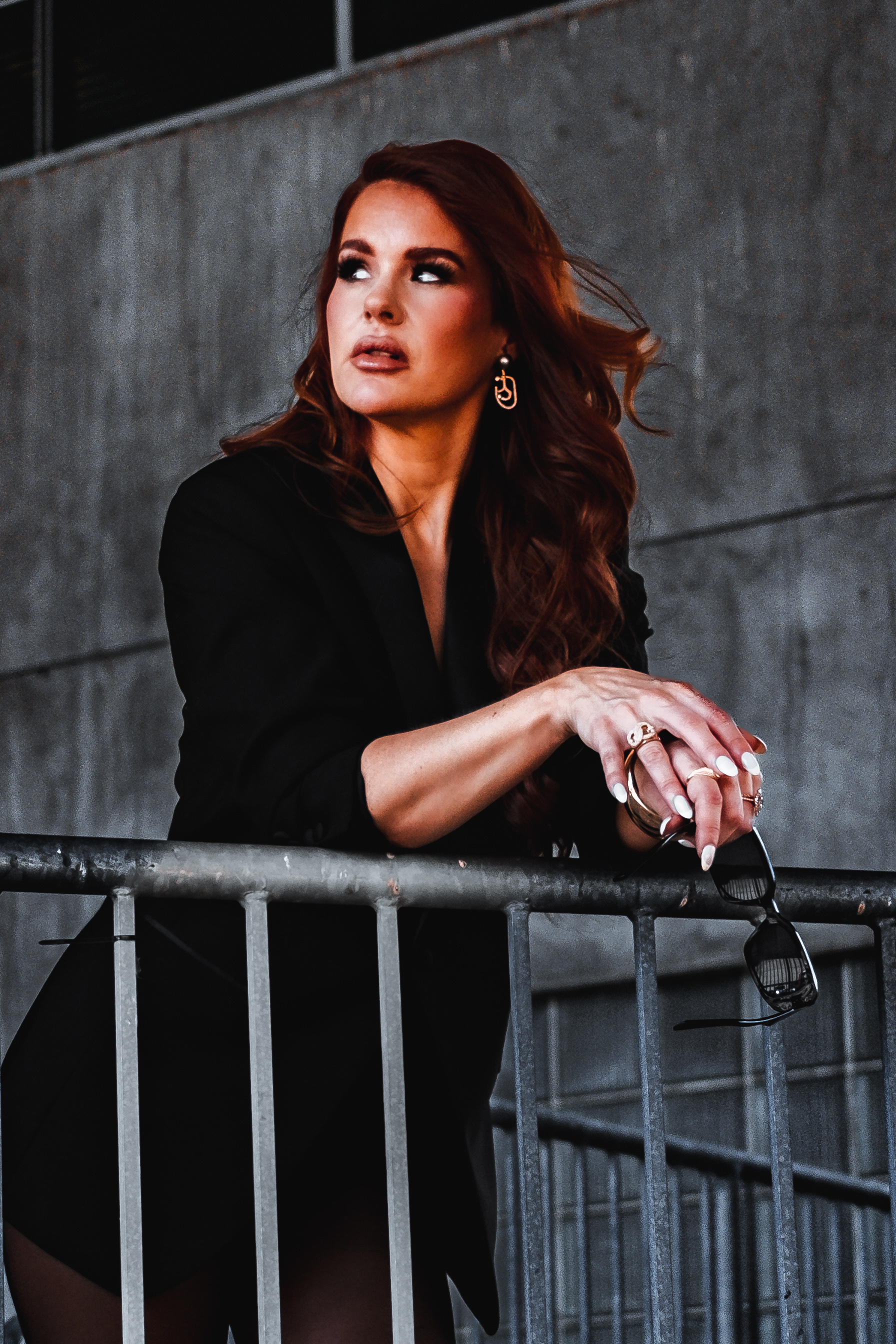
Lauren Oakes
Development Strategist
Lauren Oakes is the Founder & Principal Advisor of Lauren Oakes Creative, researching consumer behavior across luxury, hospitality, retail, and the Western market. Her Market Notes examine how enduring brands create enterprise value, often by extending the customer experience beyond the product.