Lauren Oakes Creative

Development Strategy for Complex Places

Bring me thecomplicated ones.

I help owners, developers and brands determine what should exist before major decisions are made.

Connecting place, people, hospitality, technology, culture and commercial strategy into one clear direction.

Before the blueprint,
understand the opportunity.

Most specialists are hired to answer

  • How should we design it?
  • How should we finance it?
  • How should we engineer it?
  • How should we operate it?
  • How should the technology work?

My work begins earlier

  • What should exist here?
  • Who is it for?
  • Why will people care?
  • Why will they come back?
  • What already has permission to exist?
  • What is missing?
  • What should not be built at all?

And how can individual pieces work together as one system, rather than a collection of unrelated amenities? This is where I work.

IntelligenceVisionExecution
01

Intelligence

Understand before deciding.

  • Study the land, people, market, culture, existing operations, technology, constraints, behavior and commercial opportunity.
  • Challenge assumptions. Identify what is missing.
  • Determine what needs specialist validation.
  • Decide whether the opportunity should advance, change, pause or die.
02

Vision

Create what does not exist yet.

  • Turn intelligence into a coherent development thesis.
  • Determine how hospitality, technology, culture, commerce, programming and experience should work together.
  • The goal is not to add more things. It is to understand which pieces belong and how they create something stronger together.
03

Execution

Protect the idea while specialists solve it.

  • Bring the right expertise into the project.
  • Make sure architecture, engineering, technology, operators, financial teams and capital partners solve against the same strategic thesis.
  • Do not allow execution to slowly remove the reason the project mattered in the first place.

Complex projects require specialists.

I do not replace architects, engineers, operators, technologists or financial experts.

Part of my role is identifying which expertise the opportunity actually requires, bringing the right people into the process at the right time, and making sure each discipline is solving toward the same strategic vision.

The specialists own their discipline. I make sure the disciplines belong to the same idea.

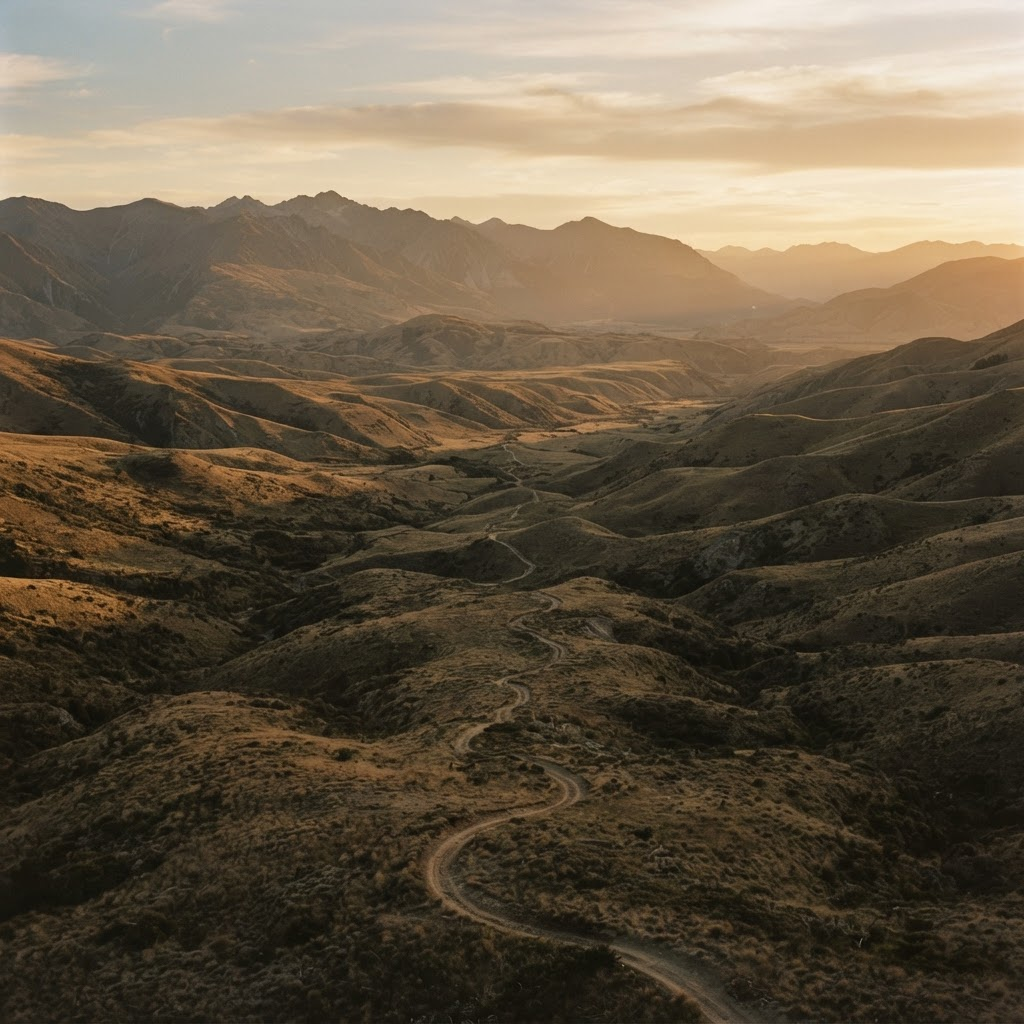
Expansive undeveloped land at golden hour, suggesting potential before a direction is chosen

Flagship Engagement

Development Intelligence Sprint

Before we create the vision, we determine whether the opportunity deserves one.

The entry point for complex land, hospitality and place-based opportunities. Designed for owners who know there is potential but do not yet have enough clarity to confidently commit significant capital to a direction.

Not a giant feasibility report. Not ideation for ideation's sake. A focused investigation designed to uncover the strongest opportunity, expose weak assumptions and determine what deserves to move forward.

Explore the Sprint

Areas of investigation

  • Land + Asset

    What already exists? What are the physical, operational and ownership realities?

  • Human

    Who could use this place? What creates belonging, participation, return behavior or long-term relevance?

  • Market

    What demand exists? Where is the white space? What assumptions are actually supported?

  • Culture

    What has permission to exist here? What should be protected? Where could growth dilute identity?

  • Technology

    Where can technology create genuine utility or better human experience? Where should it remain invisible?

  • Commercial Possibility

    Which hospitality, residential, retail, F&B, wellness, membership or programming layers warrant investigation?

  • Risk + Contradiction

    What could kill the opportunity? What doesn't make sense? What should not be built?

Not every project receives every category. The purpose is to identify which pieces actually belong.

The Sprint Outcome

The answer is not always “build it.”

At the end of the sprint, I should be able to give the owner a clear strategic recommendation.

Advance
Modify
Pause
Kill

Delivered alongside

  • The strongest opportunity identified
  • The human and commercial rationale
  • Critical assumptions
  • Major risks
  • What should not be pursued
  • Questions requiring specialist validation
  • Recommended next phase

If the opportunity deserves to continue, the project can move into Vision Architecture.

Phase Two

Vision Architecture

This is where the pieces become a place.

Once an opportunity has earned the right to move forward, the work changes. Vision Architecture translates intelligence into the larger ecosystem, determining how the pieces interact.

  • What anchors the place?
  • What brings people in?
  • What keeps them there?
  • What creates return behavior?
  • What belongs together?
  • What should remain separate?
  • Where should technology be visible?
  • Where should it disappear?
  • Which elements generate revenue?
  • Which create long-term value?

The output is a coherent strategic vision that architecture, engineering, operations, technology and finance can begin solving: an experience impossible to reduce to a list of amenities.

Start With Intelligence
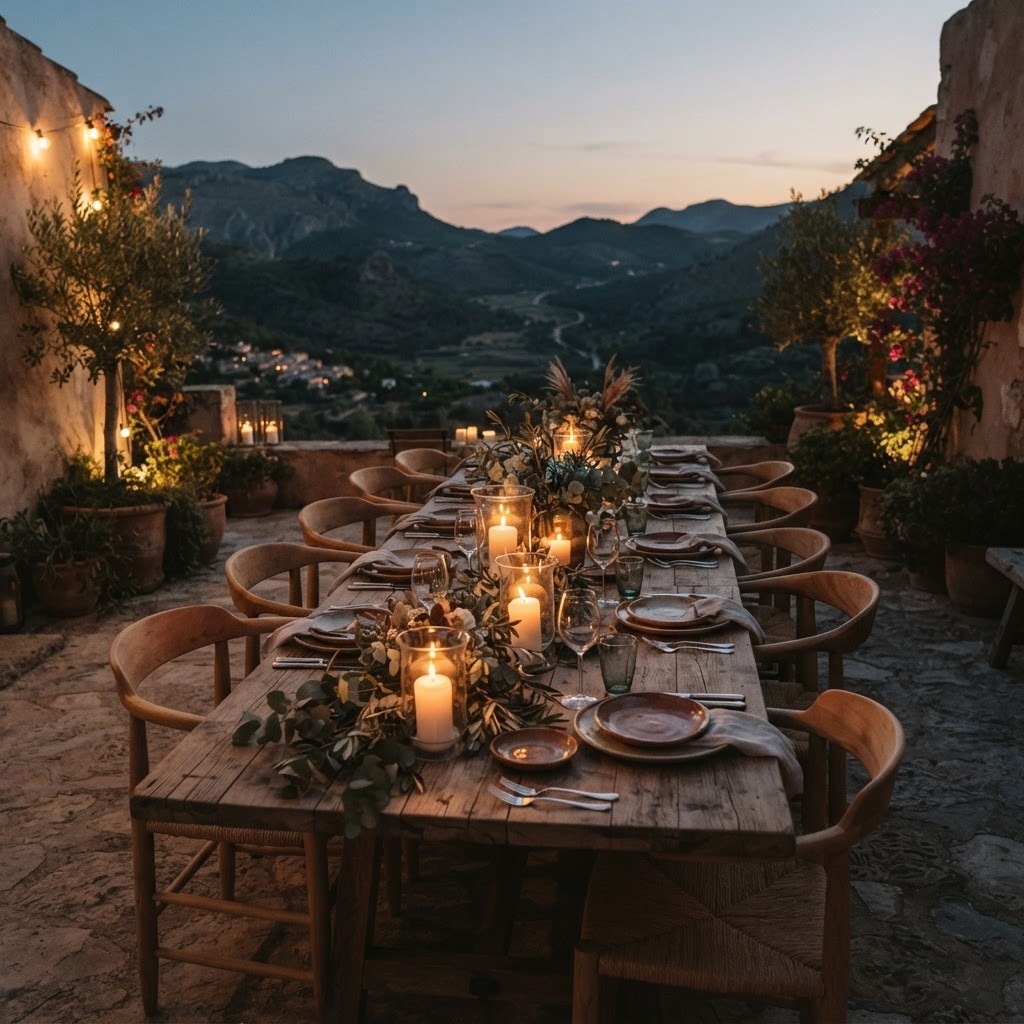
A quiet, set communal table on a stone terrace at dusk overlooking a natural landscape

Selected Work

The finished output is not the most interesting part. I am interested in the opportunity that existed before the output did.

01

Pendleton Whisky

The Opportunity

Existing cultural permission. Underleveraged expression.

The Result

A self-initiated strategic and creative test ultimately resulted in Pendleton purchasing perpetual commercial licensing for 20 images and a commercial video asset.

02

Cowgirl Magazine: Luxury Western Travel

The Opportunity

An opportunity to expand an established audience into travel without abandoning the identity that created trust.

The Result

An Aspen concept became an 11-page published feature and led to a second destination project in Jackson Hole.

03

Cowgirl Magazine: Cultural Access

The Opportunity

Identified the gap between editorial coverage of female country artists and physical participation in major cultural events.

The Result

Initial ACM Awards coverage generated more than 750,000 video views and became ongoing paid coverage.

Development case studies: forthcoming

Different output.
Same behavior.

  • Identify what is missing.
  • Understand what permission already exists.
  • Find the opportunity.
  • Test it.
  • Use the result to determine what happens next.

Point of View

I'm not interested in adding things just to add them.

More amenities do not automatically create a better place. Neither does more technology.

Neither does another restaurant, wellness concept, membership program, hotel flag or branded experience.

I am interested in understanding what is missing and creating the thing that does not exist yet.

Sometimes that requires adding something.

Sometimes it requires removing half the original idea.

The goal is coherence.

Every important piece should have a reason to exist and strengthen the larger system around it.

A palette of tactile architectural materials (stone, aged oak, linen and plaster) in warm daylight

Human & Technology

The more intelligent technology becomes, the more important human connection becomes.

I am deeply interested in what happens when advanced technology and deeply human places meet. Technology can help us understand systems, model possibilities, recognize patterns, improve operations and make better decisions.

But technology should not become the reason a place exists. The question is how it can support a place people still want to touch, experience, remember, talk about and return to.

The best technology may ultimately be the technology the guest barely notices.

The best projects have not already decided the answer.

I work best with owners willing to investigate before defending a predetermined solution. You don't need to arrive with the perfect brief. You do need to be willing to discover that the strongest answer may be different from the original idea.

Probably a fit if you have

  • Land with meaningful potential.
  • A complex hospitality or development opportunity.
  • Capital but multiple possible directions.
  • A place where technology and human experience need to coexist.
  • An existing asset capable of becoming something more valuable.
  • A project where culture, community or identity matters.
  • A problem that crosses traditional professional disciplines.

Probably not a fit if

  • You only need branding.
  • You want someone to validate a predetermined idea.
  • You are looking for free ideation.
  • You are unwilling to share the information required to understand the asset.
  • You want a long list of amenities rather than a coherent reason for them to exist.

About Lauren

Development Strategist

People  ·  Place  ·  Hospitality  ·  Technology  ·  Consumer Behavior  ·  Commercial Strategy

Lauren Oakes is a Development Strategist who advises owners, developers and capital partners on complex land, hospitality and place-based opportunities before major decisions are made.

After more than fifteen years across hospitality, commercial strategy, consumer behavior, brand and growth, beginning inside hotel sales and marketing and followed by several years creating and executing projects across hospitality, fashion, footwear, spirits, media and Western lifestyle, Lauren began recognizing a consistent pattern in her work: her highest value was often identifying the opportunity before anyone had asked for the output. Her work connects consumer behavior, hospitality, technology, culture, market intelligence and commercial strategy to determine what should exist and how the right pieces fit together.

Her role is upstream and connective. She does not replace architects, engineers, operators, technologists or financial specialists. She helps determine what should exist, who it should serve, what belongs, what does not, and what needs specialist validation.

More About Lauren

Bring me the
complicated ones.

  • Land.
  • An existing asset.
  • An unusual opportunity.
  • A project that doesn't fit neatly into a category.

If the answer is not obvious yet, that's usually where the interesting work begins.

Tell Me What You're Working On