Commercial Strategy & Consumer Behavior • 8–10 min read • July 2026
Artists Are No Longer Only Performers. They Are Commercial Ecosystems.
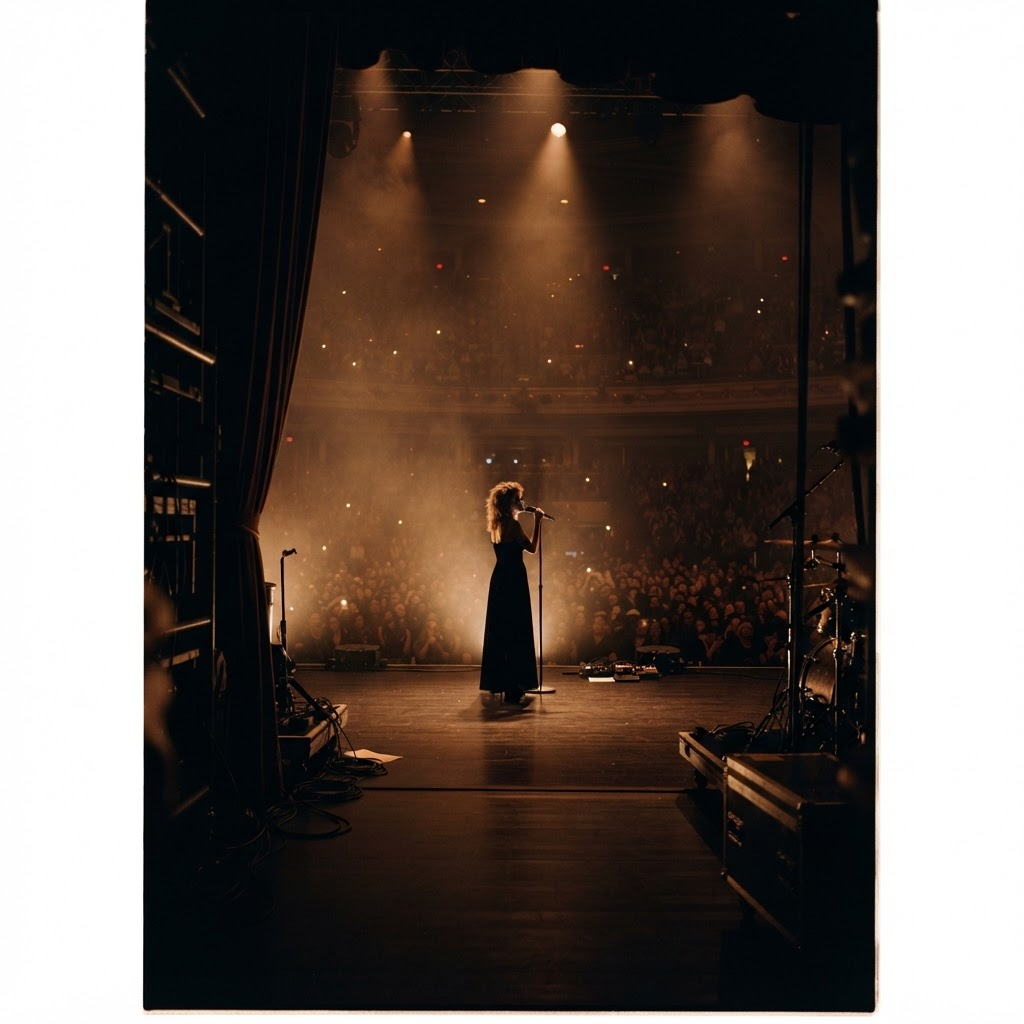
The performance is the visible layer. The business is everything beneath it.
The most valuable artists are no longer measured by tours and releases alone. They have become durable commercial platforms, and the organizations that recognize this early will define the next era of enterprise value in entertainment.
For most of the modern era, an artist was understood as a performer: someone who released work and toured behind it. The economics were episodic, a release, a cycle, a tour, and then the wait for the next one. That model still exists, but it no longer describes where the most durable value is created.
The highest-value artists today behave less like performers and more like scalable commercial platforms. Around a single identity, an entire economy forms: products, partnerships, places, and media that all draw on the same source of trust. The performance becomes the visible layer of something much larger, an enterprise with its own balance sheet, its own consumer, and its own compounding logic.
This is not a music-industry argument. It is a consumer-behavior one. The same forces that turn a founder-led brand into a category leader are now visible in how audiences attach themselves to artists, and that is precisely why entertainment organizations, investors, and brand leaders should be paying closer attention to the structure beneath the fame.
01 / Audience Identity Is the Asset
The audience is not a channel. It is the balance sheet.
The instinct is to treat an audience as reach, a number to be converted into streams, tickets, or impressions. But reach is rented. What actually holds value is identity: the degree to which people see an artist as an expression of who they are, what they belong to, and what they believe.
That distinction matters commercially. An audience organized around identity forgives missteps, follows across categories, and pays premiums that pure attention never earns. It behaves like a membership, not a market. Trust lowers the cost of every future launch; belonging raises the ceiling on what an audience will accept; emotional connection converts curiosity into repeat, long-horizon spending.
When an audience sees itself in an artist, the relationship stops being transactional and starts behaving like equity.
This is the asset every other opportunity is built on. Before evaluating a single business extension, the first question is not “how large is the audience” but “how deep is the identity, and what does that audience believe it is buying into.”
02 / Commercial Ecosystems
Value compounds when it radiates from one identity.
Once identity is established, value stops being episodic and starts compounding. The artist becomes the center of an ecosystem in which each layer reinforces the others rather than competing for the same dollar. In practice, that ecosystem tends to form across a recognizable set of surfaces:
Partnerships that borrow and lend credibility between an artist and aligned brands. Licensing that extends identity into categories the artist would never operate directly. Direct-to-consumer relationships that turn audiences into first-party customers. Merchandise that functions as identity people wear, not souvenirs they discard. Hospitality, venues, residencies, and places that let an audience step inside the world. Media and owned content that deepen the narrative. Experiences that convert attention into memory. And intellectual property, the names, worlds, and formats that outlast any single release.
The strategic point is not the list. It is the geometry. In a weak model these are disconnected revenue lines; in a strong one they are expressions of a single identity, each making the next more valuable. That is what separates an artist who sells things from an artist who owns an economy.
Executive Takeaway
The question is never “how many revenue streams can we add.” It is “which extensions make the identity stronger, and therefore make everything else worth more.”
03 / The Risk of Expansion
Growth must reinforce identity, not dilute it.
The same ecosystem logic that creates value can destroy it. Because every extension draws on the same reservoir of trust, a poorly chosen one does not simply underperform, it withdraws from the asset that funds everything else. Expansion is not free. It is paid for in credibility.
The failure pattern is familiar: an artist or the organization around them mistakes audience permission for unlimited license, chases categories with no cultural connection, and optimizes for short-term revenue at the expense of long-term meaning. The audience senses the shift before any metric does, and the premium quietly disappears.
Every commercial decision either deposits into the audience relationship or withdraws from it. There is no neutral extension.
Discipline, then, is not caution, it is the mechanism that protects compounding. The most valuable ecosystems are defined as much by what they decline as by what they pursue, because each “no” preserves the coherence that makes the next “yes” worth more.
04 / Strategic Implications
How entertainment organizations should evaluate the opportunity.
For the organizations positioned around artists, labels, managers, entertainment companies, investors, and brand partners, the implication is a change in the unit of analysis. The relevant question is no longer “how do we market this release” but “how do we build and protect an enterprise.” Five lenses make that evaluation rigorous:
Audience behavior, is this an identity-driven audience that will follow across categories, or attention that evaporates when the release cycle ends? Brand architecture, do the pieces of the ecosystem reinforce one identity, or fragment it into unrelated ventures? Cultural permission, has the audience granted the right to move into this category, or is it a reach the market will reject? Commercial fit, does the opportunity have real economics, or is it borrowing prestige without a business underneath it? Long-term enterprise value, does this decision make the whole asset more durable a decade out, or does it trade the future for a quarter?
Applied consistently, these lenses turn opportunistic deal-making into portfolio strategy. They also reframe the artist relationship itself: not a campaign to be maximized, but an enterprise to be stewarded.
Conclusion
The future belongs to those who treat artists as enduring businesses.
The organizations that continue to treat artists as a series of isolated campaigns will keep capturing episodic value, real, but shallow and easily competed away. The ones that recognize the artist as a commercial ecosystem, and manage it with the discipline of brand architecture and the horizon of enterprise value, will build something far more durable.
The performance will always be the visible layer. But the advantage, the compounding, defensible, long-term advantage, belongs to those who understand the business beneath it, and who protect the identity that makes all of it possible.
This is an executive strategic observation drawn from commercial and consumer behavior, not a claim of direct experience inside the music industry. It reflects how identity-driven audiences and enterprise value behave across markets.
About the Author

Lauren Oakes
Development Strategist
Lauren Oakes is the founder of Lauren Oakes Creative. Her work centers on translating consumer behavior, competitive intelligence, and cultural trends into commercial strategy across identity-driven markets, with deep, proven specialization in the Western economy and work spanning luxury, hospitality, spirits, and heritage brands.