
The Most Expensive Development Mistake Happens Before Construction Starts
A project can be built perfectly and still be the wrong answer.
Why complex developments need a strategic thesis before the blueprint.
A development can be beautifully designed, expertly engineered, properly financed and efficiently operated, and still be the wrong answer.
That is what interests me.
We spend an enormous amount of time asking how something should be built. I think more projects need to spend time asking whether we have figured out what should be built in the first place. Especially when the opportunity is complicated.
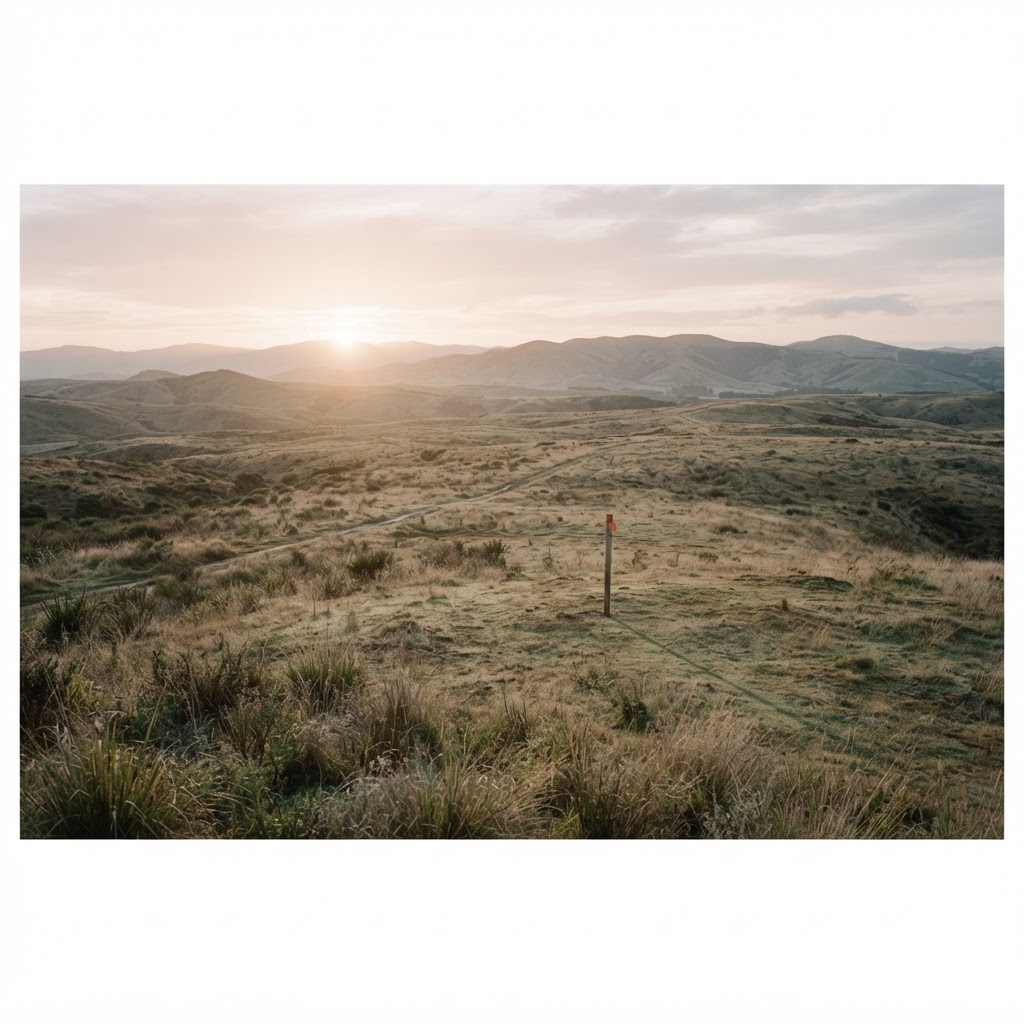
A piece of land with several possible uses. An existing asset capable of becoming something more. A hospitality concept entering a changing market. Technology looking for a meaningful physical application. A destination trying to grow without stripping away the culture that created its value.
These are not simply design problems. They are systems problems, and systems problems rarely belong entirely to one discipline.
01 / The Question That Comes First
Most development teams are built to answer “how?”
Architects answer important questions about design and the built environment. Engineers solve physical and technical realities. Financial teams test economics. Operators understand how something must function. Technology specialists understand the systems they build. Hospitality experts understand guests and operations.
Each discipline matters. But there is another question that needs to come first:
What are we collectively trying to create?
That sounds simple. It usually isn’t. When an opportunity crosses hospitality, land, technology, culture, consumer behavior, commerce and community, there may not be an existing model that neatly answers the question.
That is where I believe strategic work becomes most valuable. Not because another layer needs to be added to the development process, but because somebody needs to understand how the existing layers relate to each other.
02 / Coherence Over Accumulation
More is not a strategy.
There is a temptation in development to keep adding. A restaurant. Wellness. Retail. Membership. Events. Residential. Technology. Another amenity. Another revenue stream.
Eventually a development can contain a lot of individually good ideas that have very little reason to exist together. I am much more interested in coherence.
What is the anchor? Why does someone come here? What makes them stay? What makes them return? Which pieces strengthen the larger experience? Which pieces are being added because the market genuinely supports them? Which exist because somebody else successfully built one somewhere else? And which ideas should be removed?
Sometimes the strongest strategic decision is addition. Sometimes it is subtraction.
03 / When the Categories Overlap
The opportunity may not have a playbook yet.
The projects I find most interesting are often difficult to categorize. Hospitality may intersect with agriculture. Technology may intersect with residential development. Research may intersect with tourism. Retail may become an experience. A hotel may be only one piece of a much larger ecosystem. AI may improve how an environment operates without ever becoming the visible attraction.
When categories begin overlapping, copying an existing model becomes less useful. You have to understand the human first.
Who is this for? What are they trying to do? What do they value? What creates trust? What makes a physical place meaningful enough to leave home for? What would make them return?
Only then can we begin asking which physical, commercial and technological pieces should surround that behavior. Creating something that does not exist yet should not mean chasing novelty. It should happen because the opportunity requires an answer that an existing model cannot provide.
04 / The Role of Technology
Technology should have a job.
AI makes this question even more important. There is enormous pressure right now to add technology to products, businesses and physical environments simply because the technology exists. I think that is backwards.
Can it make a system work better? Can it help us understand behavior? Can it remove friction? Can it improve operations? Can it personalize an experience in a way the consumer actually values? Can it solve an infrastructure problem? Can it help humans make better decisions? Then it may belong.
In physical place, some of the most powerful technology will eventually become almost invisible. The guest should not need to admire the technology for the technology to create value.
On technology and place
As our world becomes more technologically intelligent, I believe genuinely human experiences may become more valuable, not less. That makes the relationship between technology and place worth designing very carefully.
05 / The Role of Specialists
Complex projects require specialists.
None of this means one strategist should pretend to know everything. Quite the opposite. Complex projects require specialists.
I do not replace architects, engineers, operators, technologists, financial experts or other domain specialists. Part of my role is recognizing when their expertise is required. The specialists own their disciplines.
The larger challenge is making sure those disciplines belong to the same idea. An architect should not be solving one version of the project while the operator imagines another and the technology team builds toward a third. Specialist expertise becomes more powerful when there is a coherent strategic thesis connecting it.
06 / Before the Blueprint
Build the thesis first.
Before committing significant capital, I want to understand:
What do we actually have? What has permission to exist here? What does the market support? What do people need from the place? What is missing? What should be protected? Which assumptions are weak? Which specialists need to test them? What could kill the idea?
And ultimately: what deserves to exist here?
Sometimes the answer will support the original vision. Sometimes the opportunity becomes significantly bigger. Sometimes it becomes smaller. Sometimes the answer is not yet. And occasionally the right answer may be no.
That is not failed strategy. Preventing the wrong investment can be as valuable as identifying the right one. The goal is not to defend the original idea. The goal is to find the strongest answer.
That is the work I am increasingly interested in. Bring me the land with too many possibilities. The asset that has outgrown its current purpose. The technology looking for a human reason to exist. The opportunity that crosses categories.
Bring me the complicated ones. Those are usually the places where the most interesting answers are still waiting to be found.
About the Author

Lauren Oakes
Development Strategist
Lauren Oakes is the founder of Lauren Oakes Creative. She works with owners, developers and capital partners on complex land, hospitality and place-based opportunities, focused on understanding what should exist before significant capital is committed.